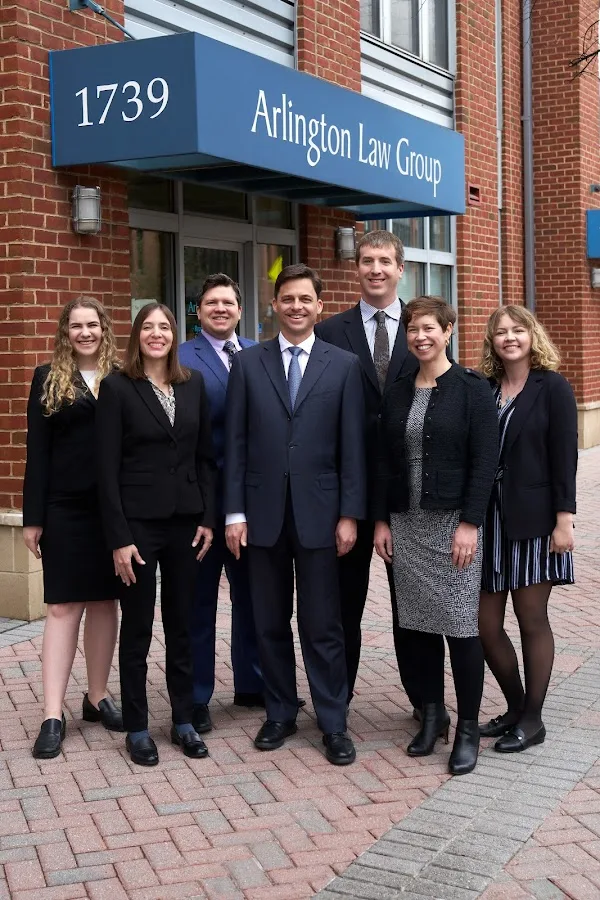
A living trust is not a complete estate plan simply because it is signed. The useful planning question is how it fits with a will, authority for financial or medical decisions during incapacity, and the way property is actually titled. Arlington Law Group’s published consultation information offers a practical starting point for people considering that combination: identify what is already in place, what decision remains unresolved, and which type of meeting matches the work.
What should a living trust be expected to do?
Before settling on a document, a prospective client can list the property and decisions the plan needs to address. A trust may provide instructions for managing and distributing assets held in it, but the effect depends on the specific terms and whether relevant assets are properly connected to the trust. A will serves a different role and may address matters that a trust does not. Rather than assume that choosing a living trust automatically avoids every probate issue, the reader can ask how the proposed documents work together and what steps, if any, are needed after signing.
Useful questions are concrete: Which assets should be considered for trust ownership? What happens to property not transferred into the trust? Is a will also part of the plan? Who is named to manage the trust, and how can that person act if the creator becomes unable to manage affairs? These questions help define the work without presuming a particular outcome or document package.
How does incapacity planning fit beside inheritance instructions?
A trust and a will primarily organize property and instructions; they should not be confused with every document relevant to incapacity. Arlington Law Group’s contact page identifies an advance medical directive or medical power of attorney and a durable general financial power of attorney as examples of estate-planning documents. A person comparing options can ask how those authorities relate to the trust, who would make medical or financial decisions, and whether existing documents still reflect the person’s wishes.
That conversation is distinct from naming beneficiaries or choosing who will administer an estate after death. Keeping the two situations separate can make the planning discussion more precise: one set of instructions concerns management during life, while another concerns transfer or administration after death. The appropriate documents and their legal effect depend on individual circumstances, so the point is to bring the questions forward for professional review rather than infer an answer from a document label.
Which published consultation option matches the situation?
The firm describes a free initial consultation for new estate-planning clients who have not previously completed planning or want to replace older estate-planning documents. Its page says a questionnaire must be completed and returned before the appointment to qualify for that free consultation. Someone with an existing plan prepared by another law firm is directed to a separate estate-plan review, described as a one-hour meeting after advance document review; the published page lists a $1,200 fee for that option. The page also lists a $600 review option for plans previously prepared by Arlington Law Group. These are specific published terms, not a promise that every matter fits a particular category, so a prospective client should confirm the applicable option and current terms directly.
For a meeting, it may help to assemble the current will, trust, powers of attorney, and a short list of questions about changed family circumstances or property. The firm’s page says the prior-document review involves reviewing documents in advance and discussing desired updates, followed by an estimate for completing updates if desired. Readers should clarify what materials are needed and which consultation applies before booking.
What if administration has already begun?
Planning for the future differs from handling a person’s estate after death. Arlington Law Group describes a separate probate, estate, and trust-administration consultation for discussing the decedent’s assets, any will or trust documents, and logistics for handling the estate; its contact page lists that consultation at $575. That published description gives families a useful way to distinguish a forward-looking living-trust question from an administration matter already underway. It does not determine which procedure applies to a particular estate, so the family should explain the facts and confirm the appropriate service and fee.
Making this distinction early can help avoid framing an active administration as routine planning—or treating a future planning concern as an estate already in probate. A concise timeline, known asset information, and copies of available documents can help make the initial inquiry more focused.
What should be confirmed before arranging the discussion?
Arlington Law Group identifies itself as a Living Trust Attorney in its listing, and its official contact page is arlingtonlawgroup.com/contact.html. The published office address is 1739 Clarendon Blvd, Arlington, VA 22209, United States, and the listed phone number is +1 703-842-3025. The contact page says initial consultations are used to discuss legal issues or questions, assess needs, and decide together how to proceed; it also says fee estimates are provided during the initial consultation and there is no obligation to continue beyond it.
Before scheduling, a reader can confirm whether the matter is new planning, review of an existing plan, or estate administration; what documents or questionnaire are needed; and which fee terms apply. Those checks keep the conversation anchored to the actual decision. A carefully coordinated estate plan begins not with a promise about probate, but with a clear account of the people, property, and future decisions the documents are meant to address.