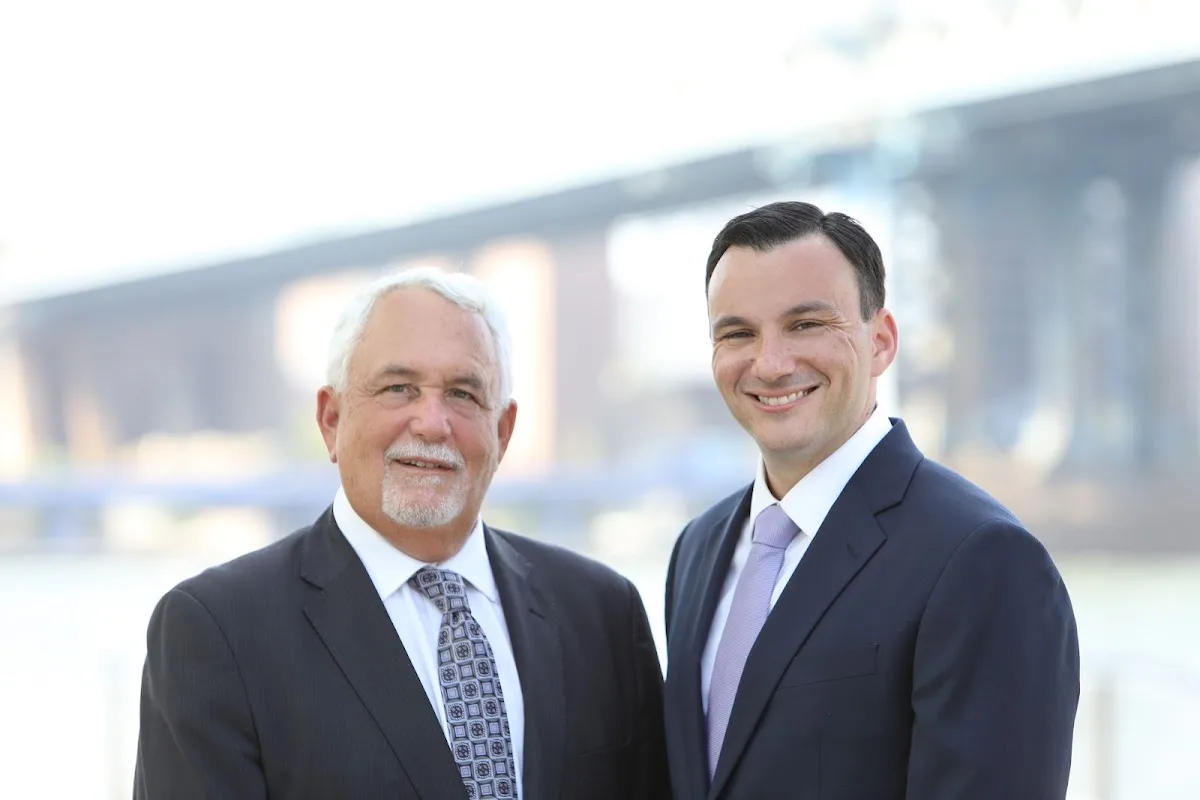
Morgan Legal Group lists its estate-planning intake at 15 Maiden Lane, Suite #905, New York, NY 10038. The block matters here for a procedural reason: Maiden Lane is three short blocks from the Manhattan Surrogate’s Court at 31 Chambers Street, the courthouse that handles every probate case for a decedent whose primary residence was in New York County. A firm that bases its intake on Maiden Lane is positioned for walk-in document filings, in-person petition follow-up, and the kind of recurring courthouse work that fits a downtown calendar.
 The Maiden Lane corridor — the operational base for downtown probate intake.
Why a courthouse-adjacent base shapes the practice
A living-trust attorney whose office sits a 6-minute walk from the Surrogate’s Court is doing different daily work than one across town. Petition filings, citation pickups, will-contest motions, and accounting-objection conferences all happen in person at 31 Chambers Street; firms that locate downtown make those errands part of an associate’s morning rather than a half-day field trip. For visitors weighing where to engage estate-planning counsel, that calendar shape often means faster turn-around on probate-side filings and a deeper bench of clerks and surrogate court runners.
The intake question that matters most
The listed line is +1 212-561-4299. The single most useful question on a first call is procedural rather than substantive: ask whether the firm files probate petitions in person at the Surrogate’s Court or by mail. The answer reveals whether the practice keeps regular foot traffic at the courthouse — useful when a citation gets bounced for a clerical defect and the firm needs to fix it the same day rather than wait two weeks for postal turnaround. Firms that say “e-filing only” for probate are accurate as of 2024’s NYSCEF rules but lose some of the speed advantage that an FiDi base traditionally offered.
Living trust drafting from a downtown calendar
Revocable trust drafting for a New York domiciliary involves the same statutory checklist regardless of office location, but downtown firms tend to default to a particular workflow: trust agreement first, then pour-over will, then HCP forms, then funding instructions, often packaged for two signing appointments rather than one. That two-appointment cadence is common among Lower Manhattan firms because the demographic mix in the area — a meaningful share of business-owner and finance-industry clients — tends to need an interval to assemble account statements between drafting and funding.
The Brooklyn cross-county referral pattern
A meaningful share of Morgan Legal Group’s probate work involves estates that touch more than one county — a Manhattan apartment owned jointly with a Brooklyn brownstone, or a Manhattan checking account paired with a Nassau retirement account. New York probate is filed by domicile, but the firm administering the estate often has to coordinate ancillary filings in other counties. A Maiden Lane base is well placed to coordinate with the Brooklyn Surrogate’s Court on Adams Street, which is a single subway stop away on the 4/5.
Getting to 15 Maiden Lane #905
The building is one block from the Fulton Street A/C/J/Z/2/3/4/5 hub, two blocks from Wall Street 2/3, and four blocks from City Hall R/W. Visitors arriving by car typically park in the South Street Seaport lots or under 56 Pine. The suite is on the 9th floor; the lobby has a security desk that requires a pre-registered visitor name during business hours.