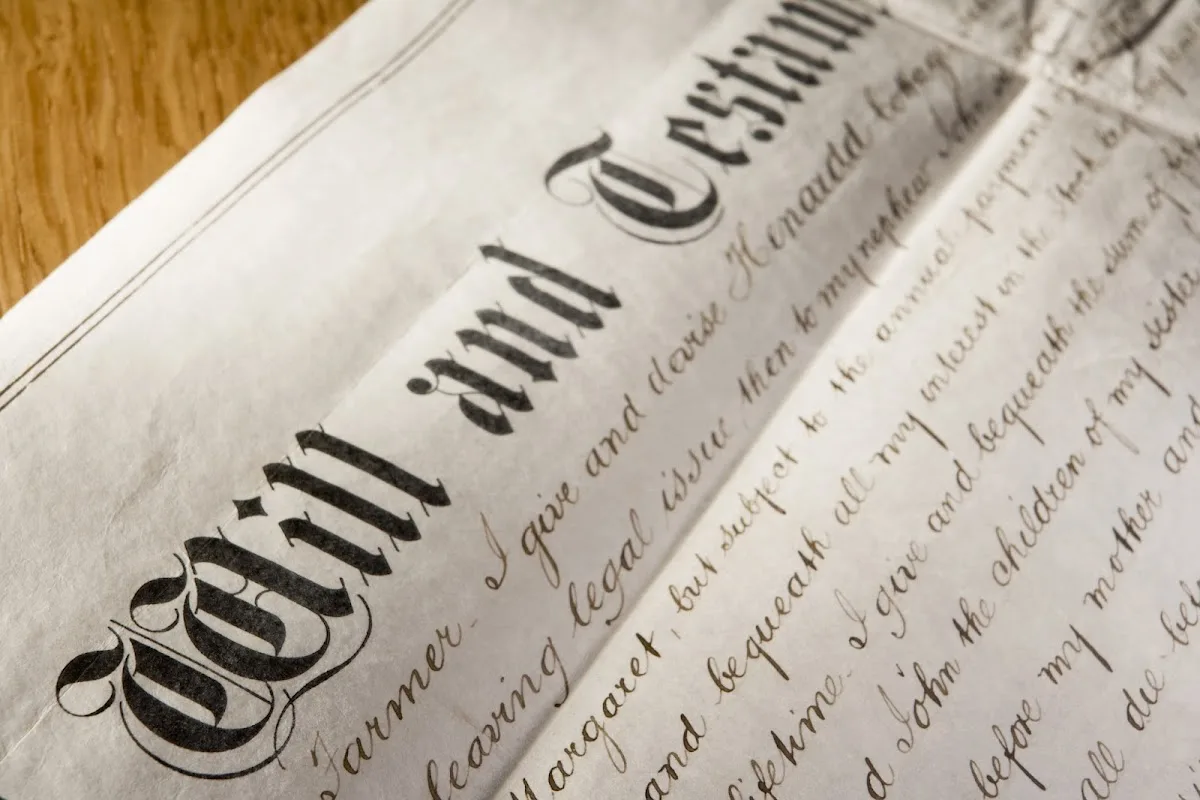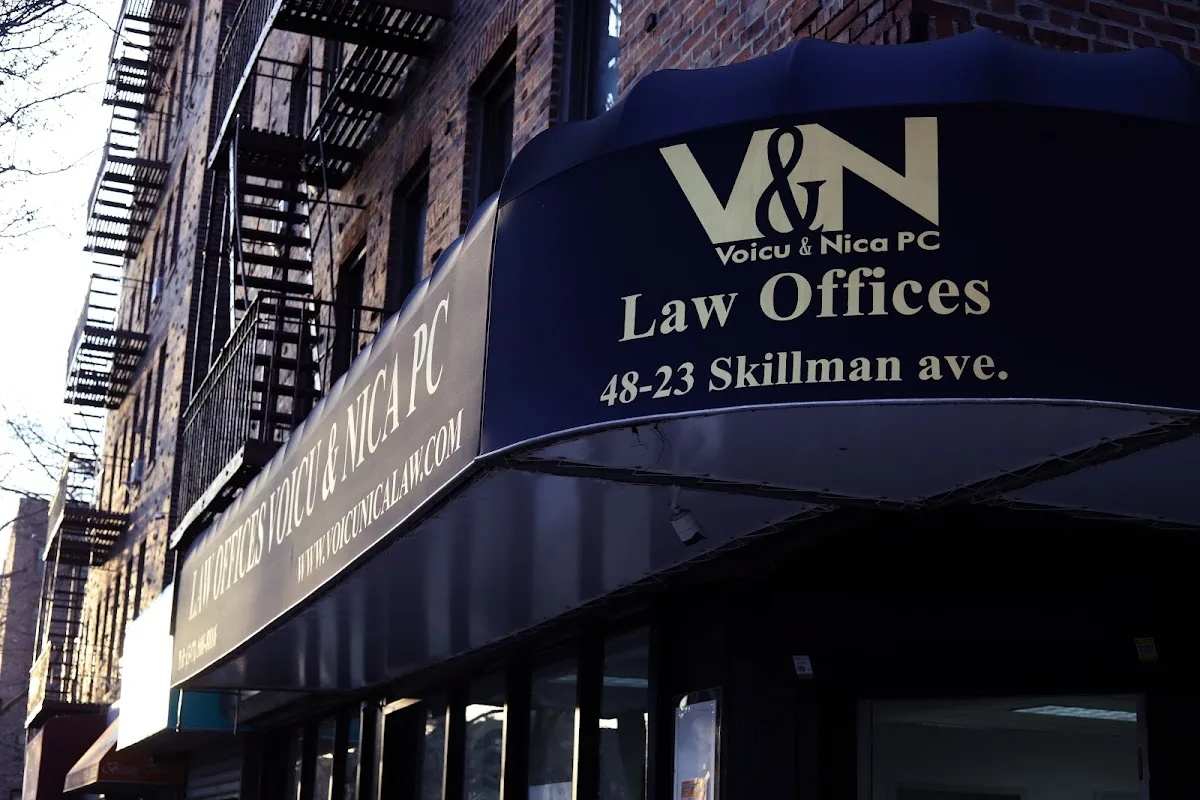
Picking an estate-planning attorney is not only about drafting documents—it is about whether your plan aligns with the tax and filing realities that can follow. For families in Queens, one practical benchmark is whether the lawyer you are considering talks clearly about tax burdens, the timing of filings, and how wills, trusts, and incapacity documents work together. This guide frames how to evaluate Voicu & Nica Law Office – Estate Planning for a tax-aware planning conversation, using concrete questions you can bring to the first meeting.
Public details for the firm include an address of 48-23 Skillman Ave, Sunnyside, NY 11104, United States, a phone number +1 347-808-8816, and an online booking channel at http://calendly.com/dvoicu-voicunicalaw. Their practice materials also reference wills and trusts, power of attorney, healthcare proxies, and related estate planning documents.
Start with the tax problem you are actually trying to solve
In an estate plan, taxes and IRS-related filing issues usually show up indirectly—through beneficiary designations, asset types, and what happens if someone becomes unable to manage affairs. Before you ask about “services,” ask the first, tax-focused question: “Which part of my situation could create additional filing work or tax exposure later, and what documents help reduce that risk?” A tax-aware attorney should be able to connect your answers to the legal instruments being discussed.
What to listen for in the lawyer’s explanation
When you describe your assets and family goals, notice whether the attorney speaks in terms of filing consequences (rather than only general reassurance). Look for language about how estate taxes and post-death administration costs can be affected, and whether they can explain how decisions made in the trust or will process influence later tax handling and documentation.
Match document choices to filing, not just form
It is common to hear “we can draft a will and a trust.” The more useful conversation is whether those documents are selected to match the filing steps and tax mechanics that can arise afterward. For example, the attorney should discuss how the plan coordinates:
- Wills and trusts for distribution goals
- Power of attorney and healthcare proxies for incapacity planning that may affect decision timing
- Guardianship planning if minor children are involved
If the firm’s approach is truly tax-aware, the lawyer will explain why the structure matters for reducing delays and administrative complexity during estate administration.
Ask a “what would you file?” question for tax-aware clarity
During the meeting, use a direct but fair question: “If I become incapacitated or after death, what filings or tax documentation do estates commonly face, and how does my plan prepare for those steps?” This is not about getting legal advice on the spot; it is about gauging whether the attorney can map real-world filing workflows to your documents.
Keep the scope realistic
Even a strong estate attorney may coordinate with tax professionals depending on your facts. A good sign is if they can identify what they handle directly and what requires coordination, rather than suggesting a one-size-fits-all approach.
Confirm fit with a document-and-timeline conversation
To decide whether Voicu & Nica Law Office is the right fit for your planning goals, ask for a discussion that includes timing. You can frame it around how you want the plan to function during life and at death, and how that affects organizing records for tax-season realities. With the firm’s published contact options—address in Sunnyside and phone +1 347-808-8816—you can also ask what information they typically request before drafting.
In short: a tax-aware estate planning fit is less about buzzwords and more about whether the lawyer can connect your goals to the filing consequences that may follow. If you walk into the first conversation prepared with your asset types, beneficiaries, and current documents, you will get a much clearer signal on whether this practice approach matches your needs.